
Understanding Malnutrition: A Global Challenge Requiring Collective Action

Malnutrition, a pervasive and complex global issue, continues to cast a shadow over communities worldwide, transcending borders and affecting individuals of all ages and socioeconomic backgrounds. Its impact is staggering, influencing health, development, and economic stability. In a world that produces an abundance of food, how is it that malnutrition remains such a persistent challenge?
This article delves into the multifaceted dimensions of malnutrition, The reasons behind its prevalence, and the urgent need for collaborative efforts to address it.
The Malnutrition Spectrum: Beyond Hunger and Obesity
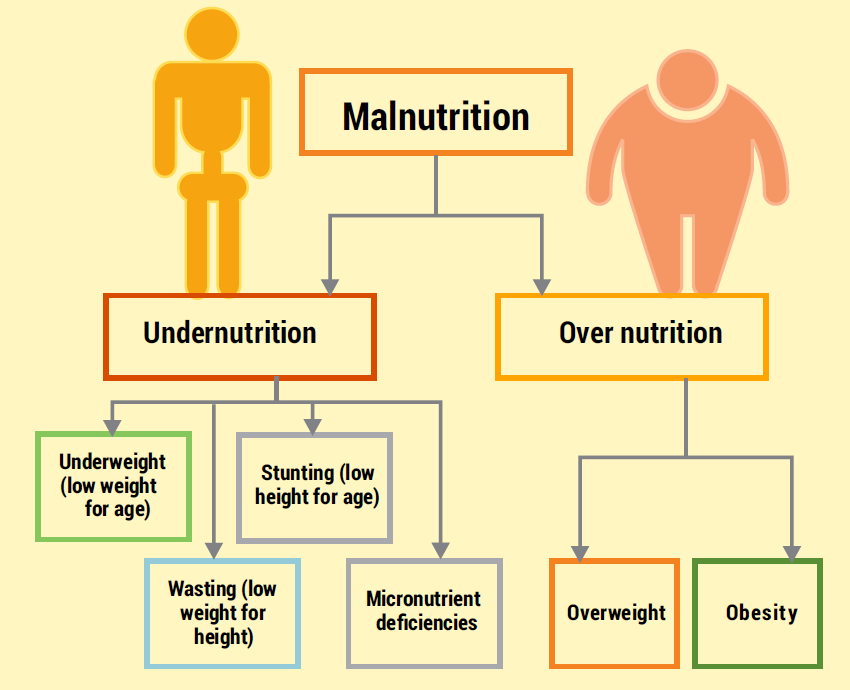
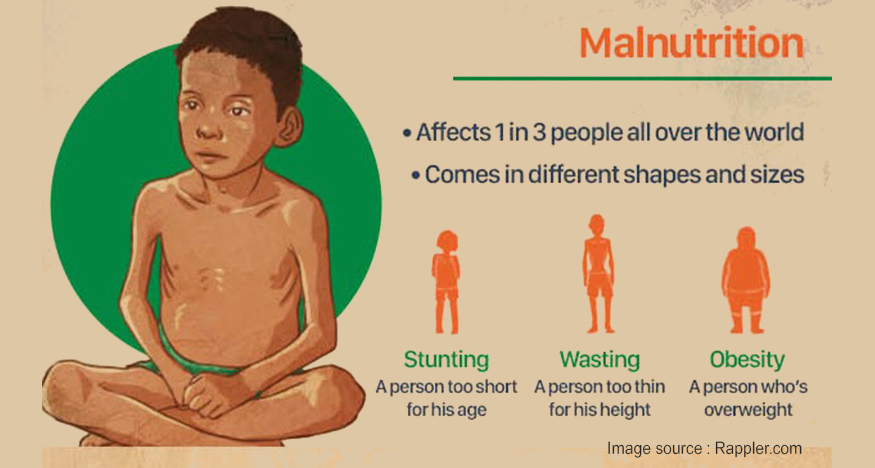
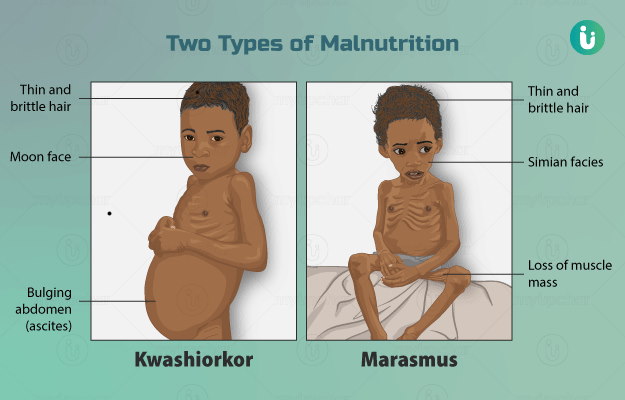
Malnutrition goes beyond the simple image of hunger. It encompasses a spectrum of conditions that result from imbalanced diets and insufficient access to vital nutrients. On one end of the spectrum lies undernutrition, characterized by insufficient calorie and nutrient intake. This can lead to stunted growth in children, weakened immune systems, and developmental delays. On the other end, overnutrition manifests as obesity and diet-related health problems, driving the surge of non-communicable diseases like diabetes and heart disease.
Factors Fueling the Malnutrition Crisis
Several intertwined factors contribute to the global malnutrition crisis:
1. Food Insecurity: Limited access to affordable, nutritious food is a significant contributor. Food deserts, where nutritious options are scarce, disproportionately affect marginalized communities.
2. Changing Diets: Rapid urbanization and globalization have led to shifts in dietary patterns. Highly processed foods high in sugars, fats, and salt have become more accessible and affordable.
3. Economic Disparities: Poverty and inequality play a pivotal role. Lack of resources often forces individuals to prioritize quantity over quality when it comes to food consumption.
4.Lack of Nutrition Education: Many are unaware of the importance of a balanced diet and the long-term consequences of malnutrition.
The Way Forward: Collaborative Solutions
Addressing malnutrition requires a comprehensive and collaborative approach that spans governments, NGOs, private sectors, and individuals. Here are a few key strategies:
1. Nutrition Education: Raising awareness about the significance of balanced diets, early childhood nutrition, and the benefits of breastfeeding is crucial.
2. Food Accessibility: Ensuring access to diverse, nutritious foods for all, particularly vulnerable populations, is essential. This involves supporting local agriculture, enhancing food distribution systems, and addressing affordability.
3. Healthcare Integration: Incorporating nutrition into healthcare services can lead to early detection and prevention of malnutrition-related issues.
4. Policy Advocacy: Governments can play a pivotal role in creating healthier food environments through policies such as taxation on unhealthy foods and subsidies for nutritious options.
A Shared Responsibility
As individuals, professionals, and global citizens, we have a shared responsibility to combat malnutrition. Each action, no matter how small, contributes to the broader effort. Whether it's advocating for policy changes, supporting initiatives that promote healthier diets, or raising awareness within our communities, every step counts.
The battle against malnutrition is not insurmountable. By acknowledging its complex nature, understanding its root causes, and uniting in collaborative efforts, we can work towards a world where nourishment and well-being are attainable for all.
Let's stand together in addressing this urgent global challenge, ensuring a brighter and healthier future for generations to come.